Bottle Gas Specialist For Over 20 Years

Cellar Gas — Available to Trade Users, Supplied Only by Adams Gas Direct 

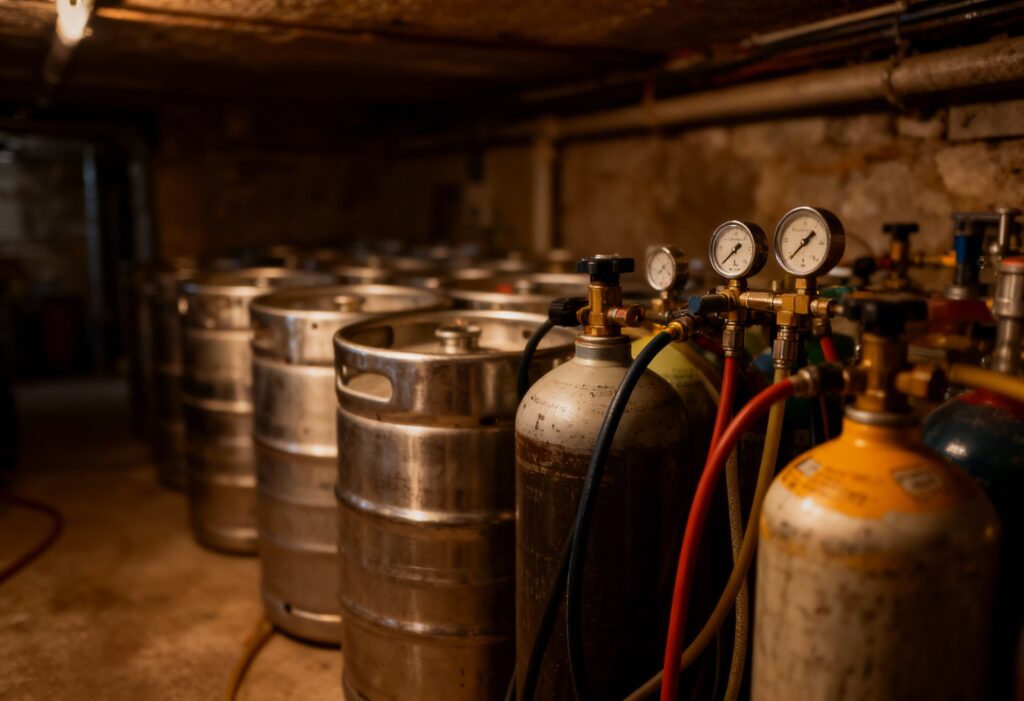
Cellar Gas — Available to Trade Users, Supplied Only by Adams Gas Direct is built around the needs of busy venues that cannot afford downtime at the bar. We fill all trade cellar gas cylinders at our own depot, ensuring reliable quality, consistent blends and a smooth, efficient pour for every pint.

Trade customers benefit from a rent-free model with competitive pricing and delivery options into our core service areas. If you run a pub, bar, club or hospitality venue, this is the place to explore your long-term cellar gas supply from Adams Gas.

cellar gas for trade users

Your cellar is the engine room of your bar. With trade-only cellar gas from Adams Gas, you get a dependable gas supply backed by decades of experience in serving the licensed trade.

Key features of our trade cellar gas service:

  • Rent-free cylinders – a one-off, refundable deposit per cylinder, with no ongoing rental charges from Adams Gas
  • Trade-focused pricing – competitive rates designed for high-volume venues
  • In-house filling – all cylinders are filled and quality-checked at our own depot
  • Delivery into core areas – regular runs across Kent and surrounding regions, with options to work via approved Adams Gas stockists in other locations

Our trade cellar gas is ideal for:

  • Pubs, bars and clubs with multiple draught lines
  • Hotels, restaurants and leisure venues with on-site bars
  • Sports clubs, social clubs and other licensed premises

From pure CO₂ to mixed beer gas blends, we can match the cylinders you need to your specific cellar installation. Many venues also pair their cellar gas with products from our CO₂ Bottles range for separate soda systems and with Disposable Gas Cylinders for maintenance and occasional use.

If you are a new trade customer, our team can discuss your current setup, typical throughput and the mixes required for each line. Together we’ll build a cellar gas package that supports your venue’s volumes and helps you manage costs.

All trade cellar gas installations must be designed, installed and maintained by competent professionals. Always follow your cellar services contractor’s advice and review our Safety & Storage guidance for detailed handling and storage recommendations.

FAQs

As a trusted supplier of gas, we frequently get asked questions about gas safety, the difference between butane and propane, as well as the best uses for our gas products. In this blog, we’ll be answering our most common FAQs.

We stock a wide range of butane gas bottles for residential and commercial use. It’s a versatile gas and can be used in fridges, lighters, and aerosols. Butane is also popular for camping and caravanning because it provides portable heating, as well as the capability to fuel barbecues quickly and efficiently.

Unlike gases such as carbon dioxide, methane and nitrous oxide, butane is not a greenhouse gas and does not affect the ozone layer.

If you find yourself in a situation where a gas cylinder is involved in a fire or close to fire, do not approach or attempt to move the cylinder or operate the valve. Evacuate the area immediately and keep others away.

Contact the Fire & Rescue Service as soon as possible, informing them of your location, as well as the type and quantity of gas involved.

If you’d like to read more about gas safety then please read our blog on how to stay safe when handling gas.

As a gas bottle supplier, we know there are several things that influence how long a gas bottle lasts. These factors include, your burner, low or high heat, the use and frequency of use.

The gas application is a major factor of how long your bottle will last because it determines how much gas you need. A 45kg cooking gas bottle can last around 244 days, depending on the burner you have and the frequency with which you use the gas. If you have a Calor gas propane 6kg bottle and if you consider that 1kg of propane can give around 13.6 kWh of energy – you will be able to use a cooker for about 81.6 hours.

At Adams Gas, we provide many different types of gas, including butane. Each 220g of butane will last for approximately 3 to 4 hours on low heat, meaning you can really get your money’s worth with this type of gas. Our Calor gas butane 15kg bottles could last for up to 238 hours on low heat.

Fire up the BBQ whatever the weather with our range of Calor bottled gases. Not only can you start cooking almost instantly after turning your gas on, you can also carry on cooking for longer.

Propane gas exerts significantly more pressure than butane at the same temperature, meaning it’s ideal for exterior storage and BBQ use all year round.

Butane gas is also great for barbeques as it produces around 12% more energy than propane when the same volume of each gas is burned. While butane is a popular choice for those who light up their BBQ a few times a week, you should consider that butane gas won’t flow when the weather is cold.

Interested to find out more? Read our blog on the differences between propane and butane for bbqs.

With energy, the standing charge is the cost of having a gas and electricity supply, then you pay usage charges on top. The standing charge is the fee you pay to your energy supplier simply because it gives you access to energy.

Transporting gas cylinders in a safe and responsible manner is essential to the safety and welfare of your employees and the general public. Gas Safe recommends that any organisation transporting dangerous goods, such as butane gas bottles, follows the basic legal safety regulations within ADR, which include driver training, vehicle ventilation, safety equipment and basic safety training with gases.

You should always comply with gas safety rules, which include no smoking in, or near to any vehicle that is being used to transport gas bottles, no carrying more than 333kg of gas without an ADR license, no operation of ignition near the gas bottles and no carrying of any unnecessary passengers whilst transporting gas cylinders.

If you’d like to find out more about safety when transporting gas cylinders then please read our blog which outlines full gas safety instructions.

We’re always on hand to answer your questions, so if you have anything you’d like to ask then please get in touch, we’d love to help.